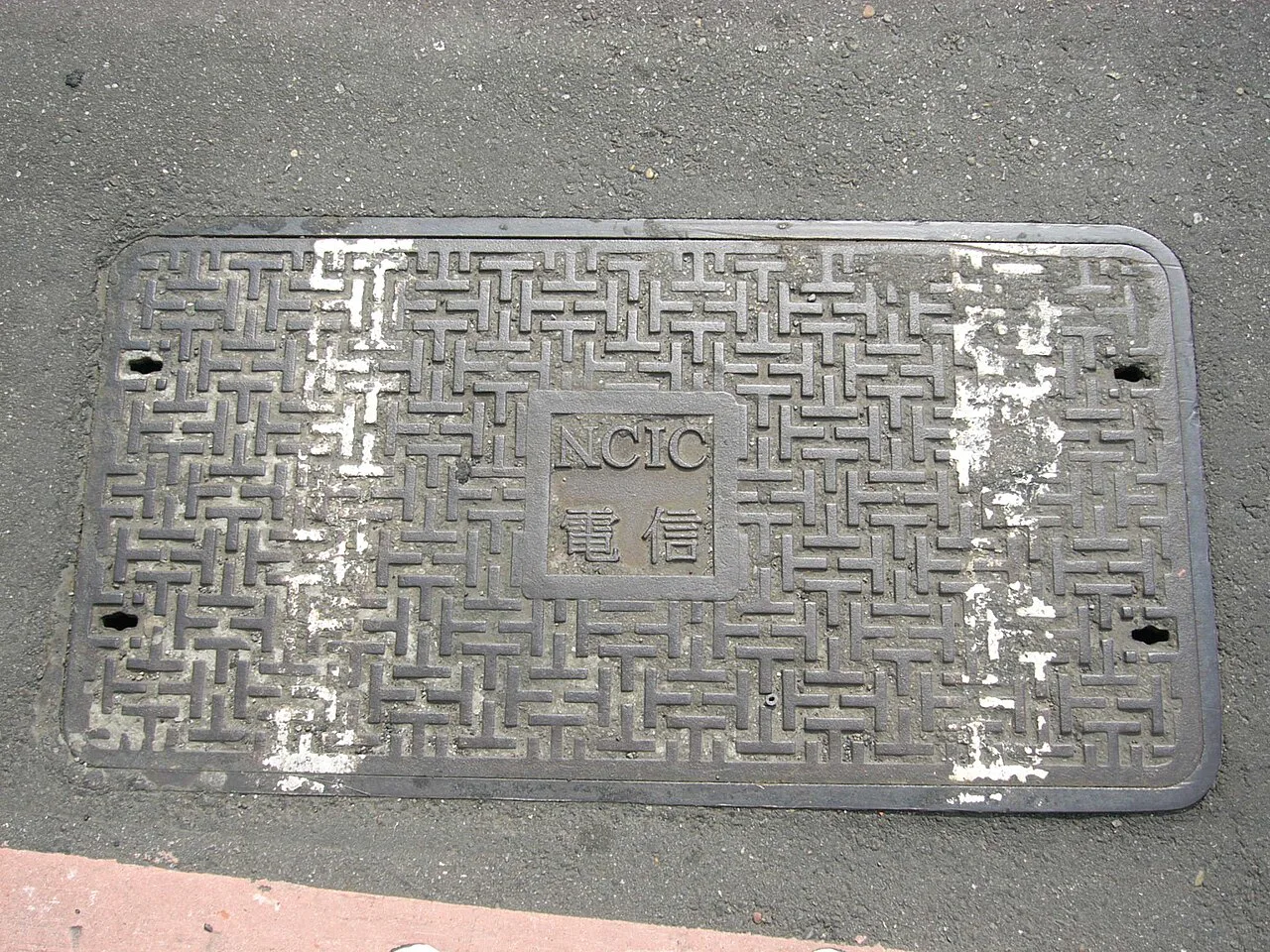
The cover should not fall through the hole
The classic answer is geometry: a circular cover cannot fall through a circular opening of the same diameter, no matter how it is rotated. A square cover can be turned diagonally and potentially fit through. That one property matters when workers are opening access points above deep shafts and utility spaces.
But the geometry answer is not the whole story. City objects rarely have only one reason. Round covers are also easier to roll short distances, do not require alignment to replace, and distribute stress in useful ways. The shape supports the routine of maintenance work.
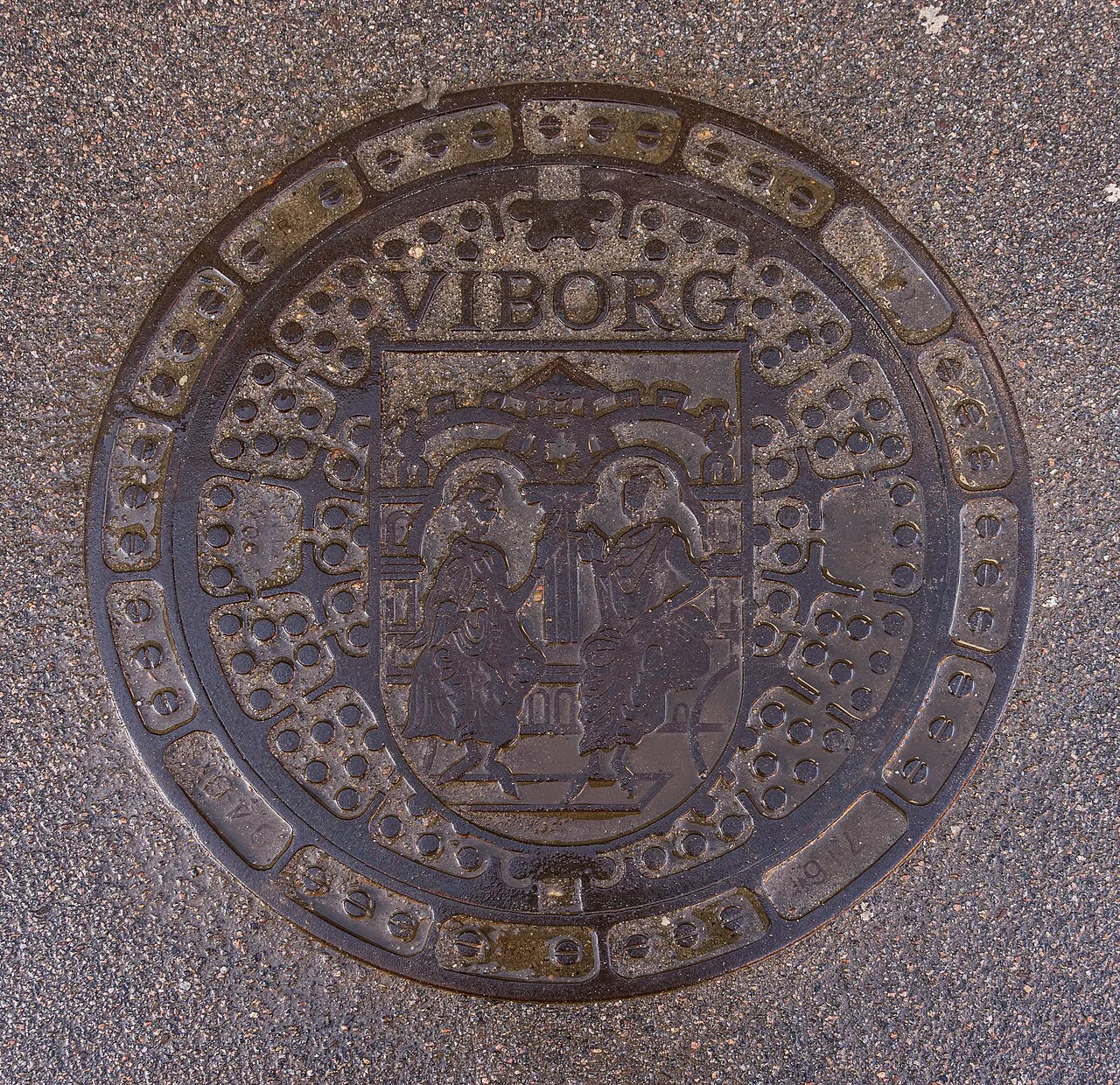
Design that disappears into habit
Good infrastructure often becomes invisible because it works. Most pedestrians do not inspect the cover underfoot. Utility workers do. The design has to serve people who move, lift, inspect, and replace heavy objects in imperfect street conditions.
That is why the manhole cover is a useful WeirdWeek object. It looks ordinary until you ask who handles it, what could go wrong, and how often the action repeats across a city.
The useful lesson
Everyday design is full of hidden constraints. Safety, speed, weight, orientation, cost, repair, and training all shape the final object. When a form repeats across cities for decades, it is usually carrying more practical intelligence than it first appears to.
The famous geometry answer is only the beginning
A circle has constant width, so a properly sized circular cover cannot pass through its matching circular opening. That is a valuable safety property, but it does not prove that every access cover must be round. Rectangular and other shapes exist where equipment, tunnels, loading needs, or local standards demand them.
The stronger explanation is a bundle of advantages. A round cover has no corner that must be aligned with a frame. It can be rolled on edge for short distances. Circular openings can handle surrounding compression without concentrating stress at corners. Manufacturing and local practice can reinforce the choice over decades.
What the worker sees
From a pedestrian's viewpoint, the cover is a flat pattern in the street. From a maintenance worker's viewpoint, it is a heavy component that must be lifted, controlled, moved, inspected, and seated beside traffic. The best shape is shaped by that repeated task.
Details around the circle also matter. Surface texture adds traction. Pick holes or lifting points allow tools to engage the cover. Frames transfer loads from vehicles into the surrounding street. Markings identify the utility or owner. The visible disc is one part of an access system.
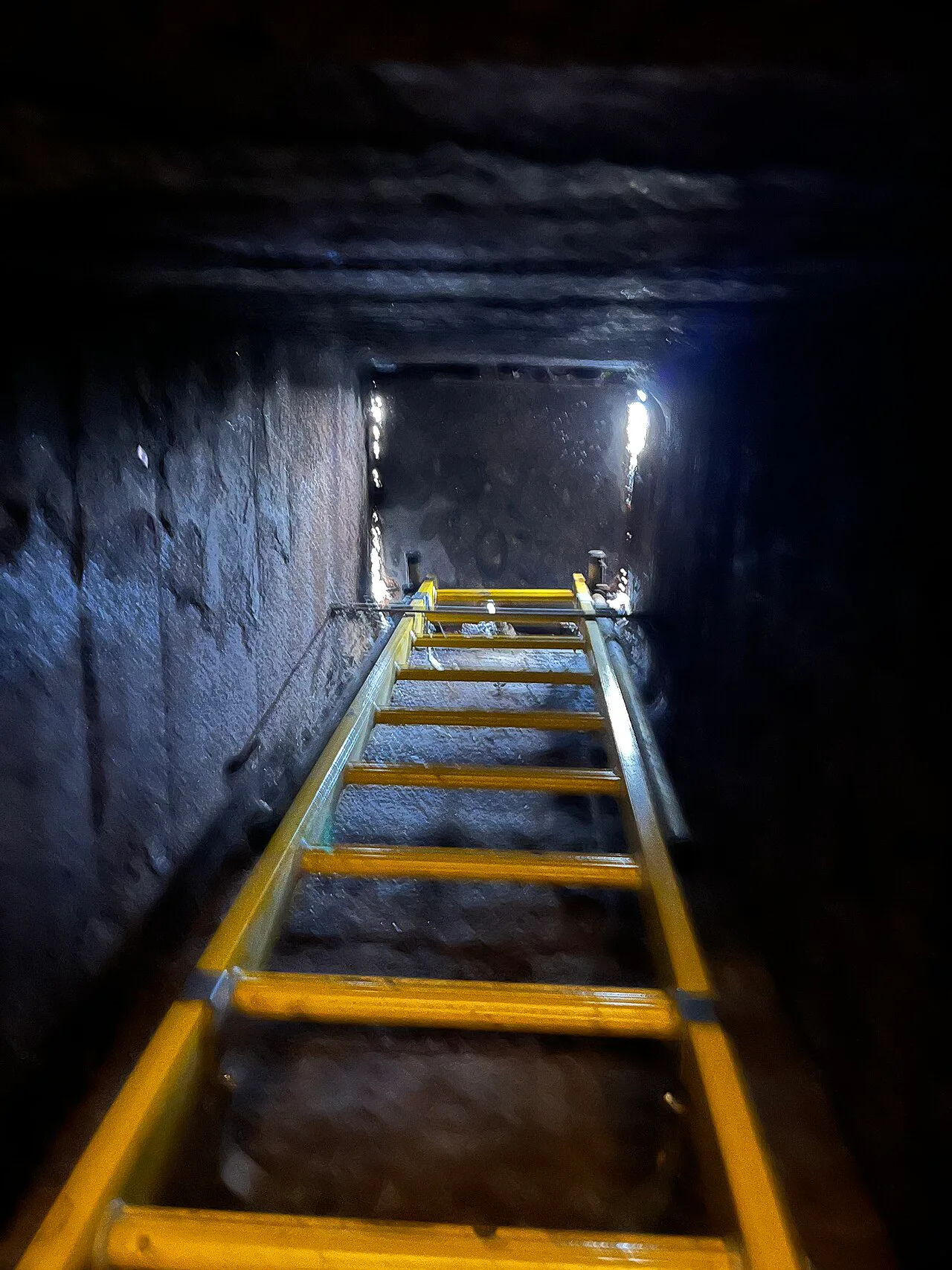
Why cities do not standardize one universal cover
Utilities differ in size, access frequency, equipment, road loading, security needs, and historical standards. Water, sewer, electricity, telecommunications, and transit systems may use different frames and markings. A city inherits old infrastructure while adding new networks, so the street becomes a catalog of standards rather than one perfect design.
This is why the object remains interesting after the trivia question is answered. The circle is not a clever isolated fact. It is an accumulated compromise between geometry, labor, traffic, manufacturing, and institutional memory.