Not just fog
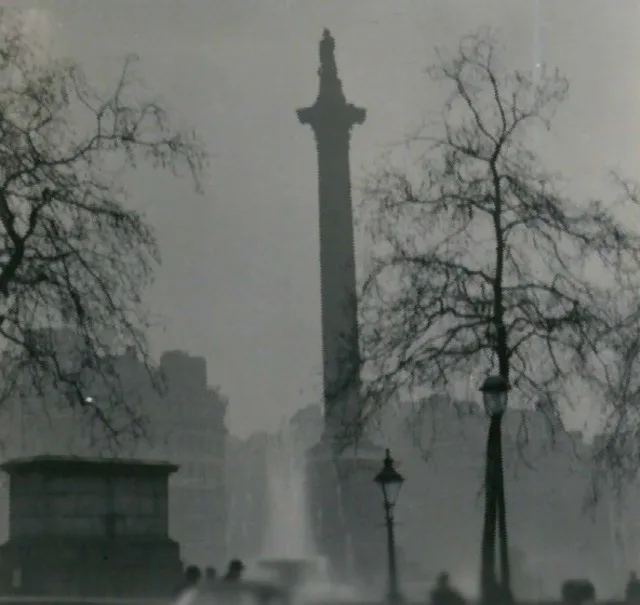
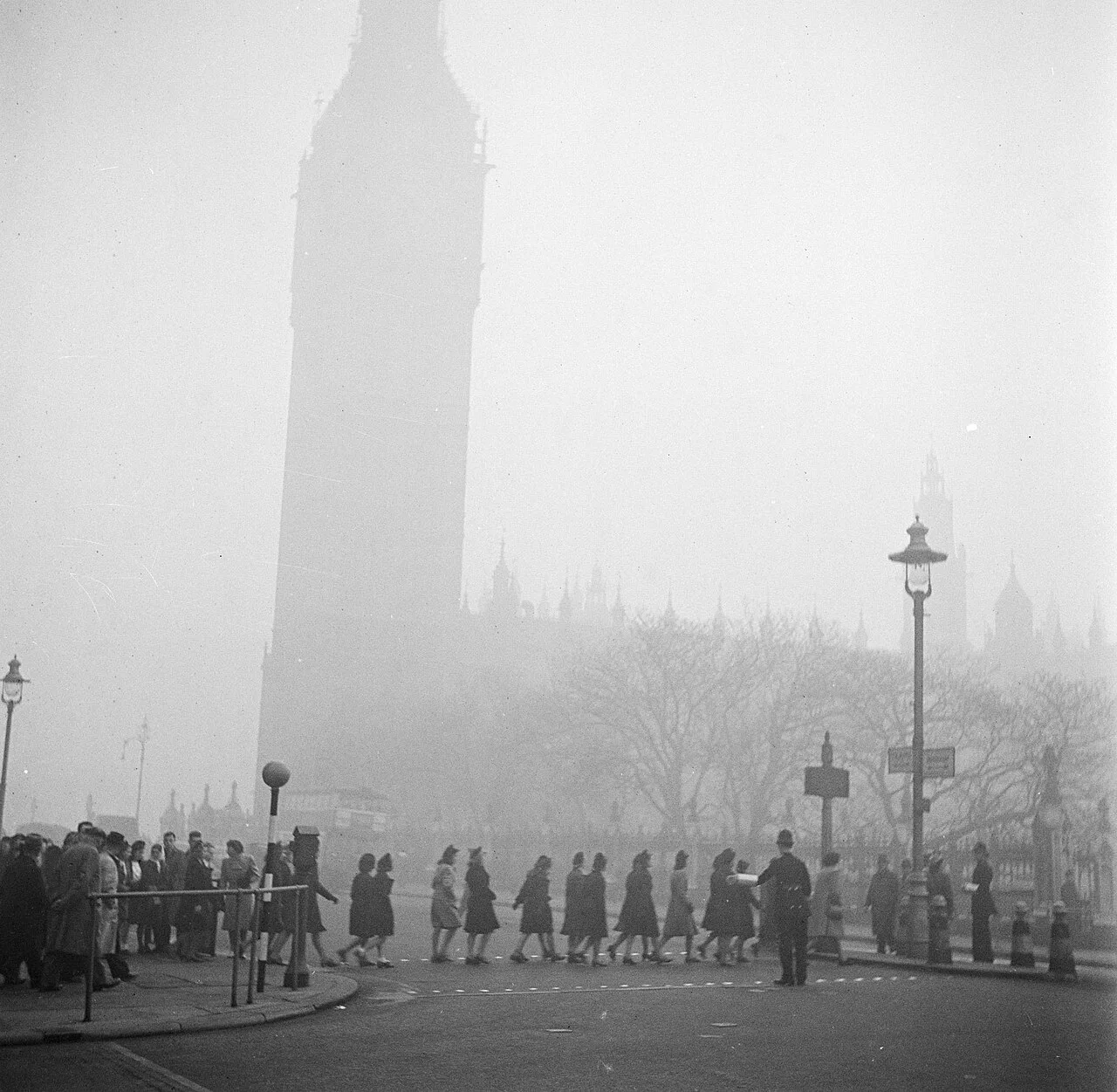
London had a long cultural memory of fog, but the 1952 event was not a harmless romantic haze. It was smog: smoke mixed with fog, intensified by coal burning and trapped by weather conditions that kept polluted air close to the ground. Streets became difficult to navigate, transport was disrupted, and the public health consequences were severe.
The strangeness of the event lies in its familiarity. Nothing exotic had to appear. Ordinary domestic heating, industrial emissions, cold air, and an inversion layer were enough. The disaster emerged from normal life.
Why policy followed
Catastrophes become policy lessons when they make hidden costs visible. Coal smoke had been part of city life for generations. The Great Smog turned that background condition into an emergency that could no longer be treated as ordinary discomfort. The Clean Air Act of 1956 followed as a major turning point in British air-pollution control.
The event remains useful because it connects technology and behavior. People heated homes. Factories burned fuel. A city accepted smoke as part of daily life. Then weather made the accumulation visible all at once.
The useful lesson
Modern environmental problems often feel abstract until a threshold is crossed. The Great Smog shows how a city can normalize a hazard for years and then be shocked when conditions align. WeirdWeek covers it not because smog is quirky, but because it reveals how ordinary systems become extraordinary risks.
How weather turned emissions into an emergency
Pollution was the fuel of the crisis, but atmospheric conditions shaped its severity. A temperature inversion placed warmer air above colder air near the surface, limiting vertical mixing. Smoke and sulfur-rich pollution accumulated in the layer where people lived and breathed. The city did not receive a new pollutant; it lost the atmospheric movement that usually dispersed familiar emissions.
This interaction is a useful systems lesson. A hazard can emerge from components that seem tolerable separately: common fuel, cold weather, dense settlement, and still air. Risk appears in the relationship between them.
Why the death toll was not immediately obvious
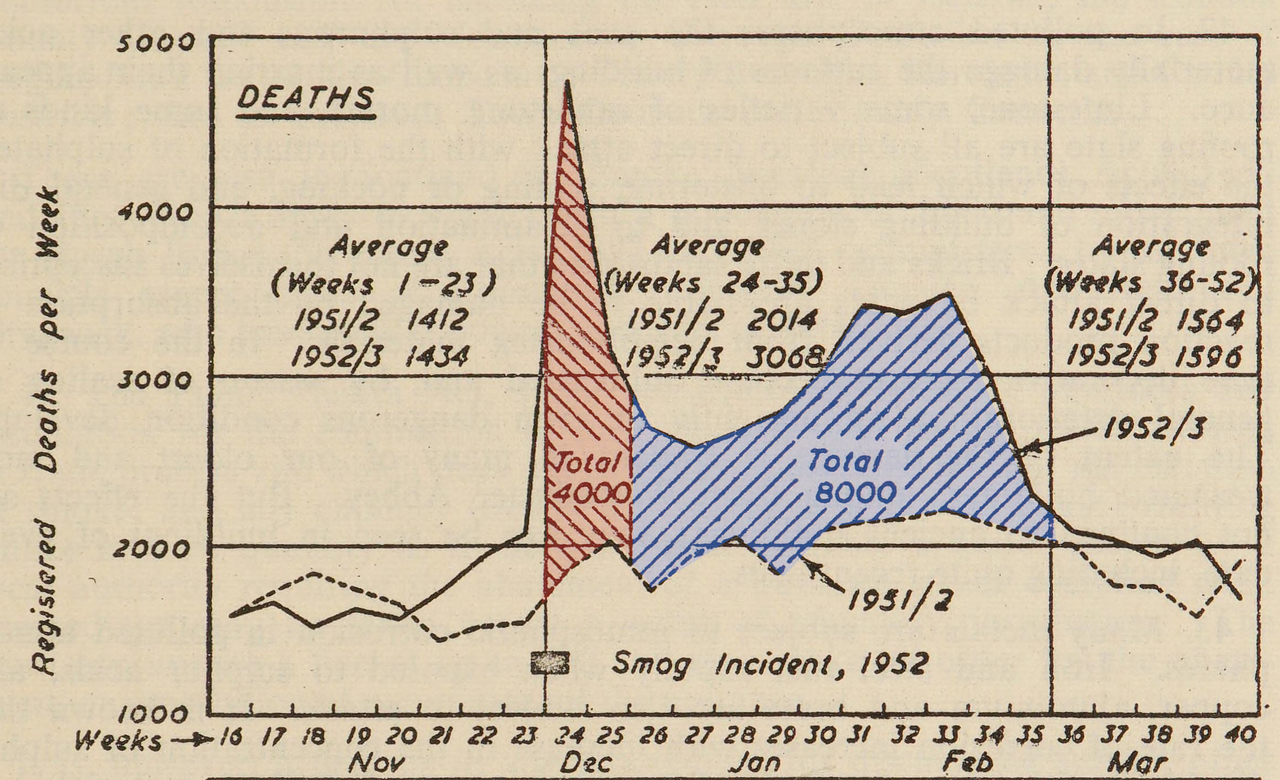
A dramatic transport accident is visible at once. Air pollution can produce delayed and distributed harm. Hospitals, death records, and later analysis were needed to understand the scale. People with respiratory or cardiovascular vulnerability were not all harmed in one place, which made the disaster harder to see as a single event while it was happening.
The gap between visible fog and statistical mortality is one reason the Great Smog remains important. Public health often depends on joining records that ordinary observation keeps separate.
From private fireplaces to public policy
Air pollution control required more than telling individuals to make better choices. Fuel quality, domestic heating, industrial practice, urban planning, and enforcement were linked. The Clean Air Act of 1956 helped create smoke-control areas and encouraged a transition away from the dirtiest urban fuels.
That transition took time and carried costs. But the policy shift changed the category of the problem: smoke was no longer only an inconvenience attached to modern life. It became a preventable public hazard.