A machine for prediction
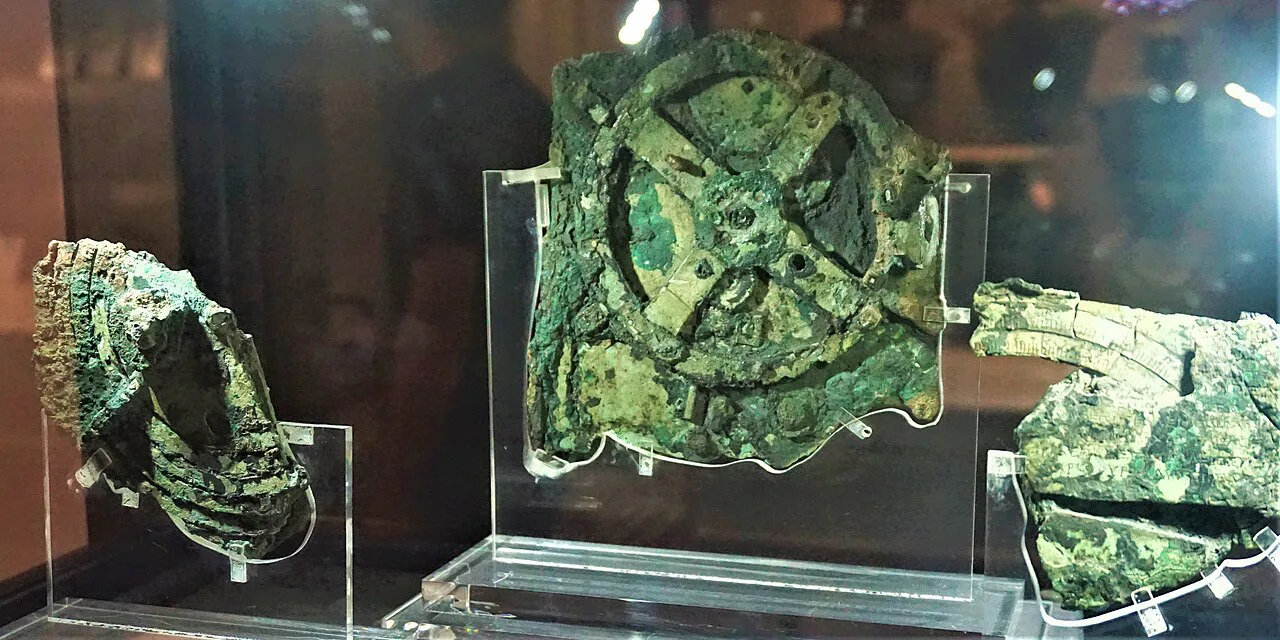
The Antikythera mechanism was recovered from a shipwreck and is widely understood as an ancient geared device connected to astronomical cycles. It reminds modern readers that calculation did not begin with digital electronics. People have long wanted tools that turn difficult patterns into usable predictions.
Astronomy mattered for calendars, ritual timing, navigation, agriculture, and intellectual prestige. A machine that modeled cycles was not merely a curiosity. It was a physical interface for knowledge that otherwise required specialist memory and calculation.
Why it feels impossible
The device feels shocking because modern imagination often flattens the past. We expect ancient tools to be simple and modern tools to be complex. The mechanism breaks that expectation. It shows that technical sophistication can exist in narrow, specialized contexts and then fail to become common household knowledge.
Complex technology needs more than an inventor. It needs materials, skilled labor, users, maintenance, teaching, and a reason to reproduce the device. When any of those conditions disappears, the idea can become rare even if the concept was brilliant.
The useful lesson
The Antikythera mechanism is a warning against treating history like a straight line from primitive to advanced. Technology appears where problems, skills, resources, and institutions overlap. Sometimes a society can make something extraordinary without turning it into an industry.
What the fragments changed
The mechanism did not arrive as a complete museum object with a readable instruction manual. Corroded fragments, inscriptions, gear teeth, imaging work, and competing reconstructions have gradually changed what researchers can say about it. That process matters because it separates evidence from the fantasy of an unexplained ancient supermachine.
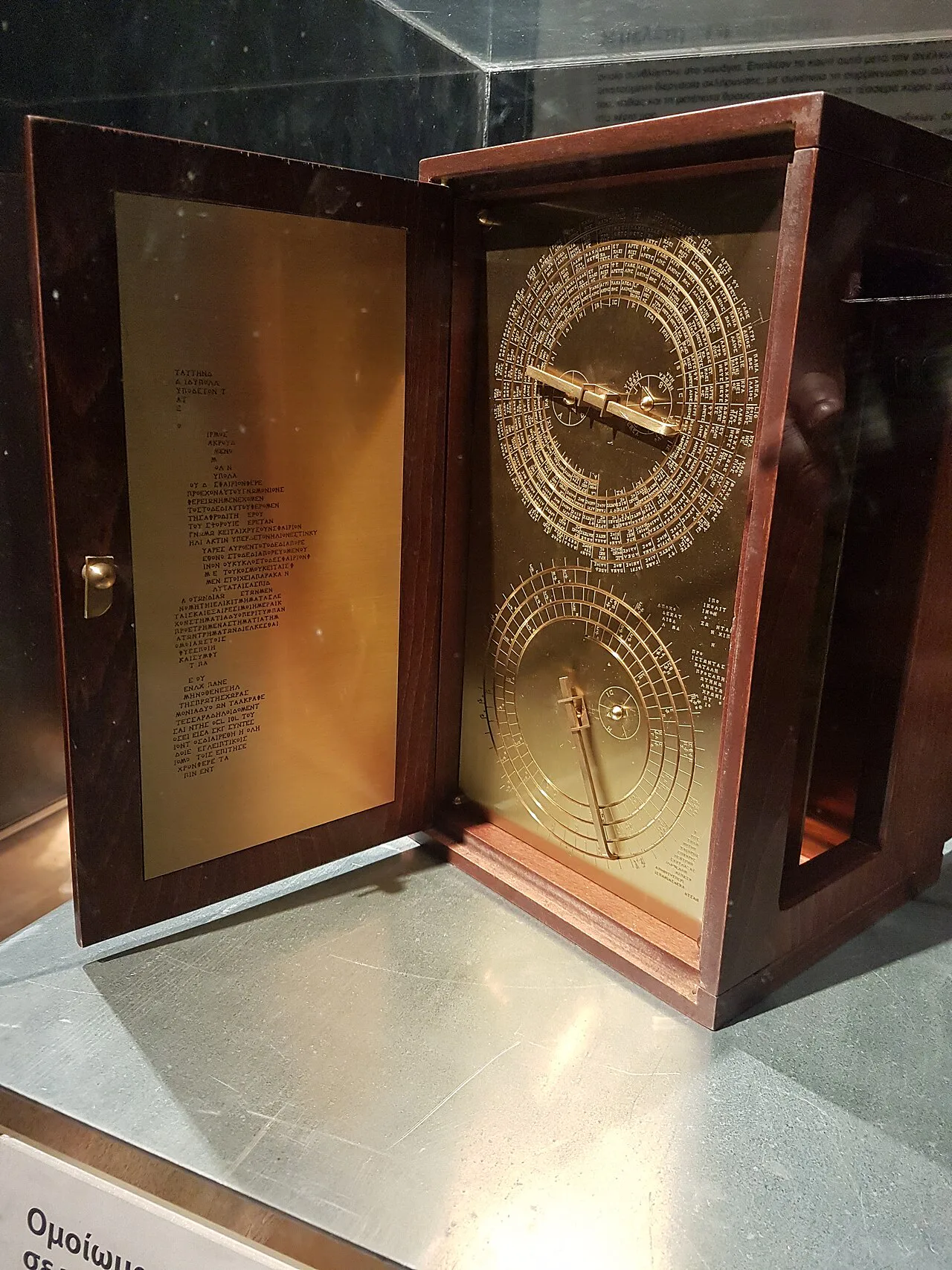
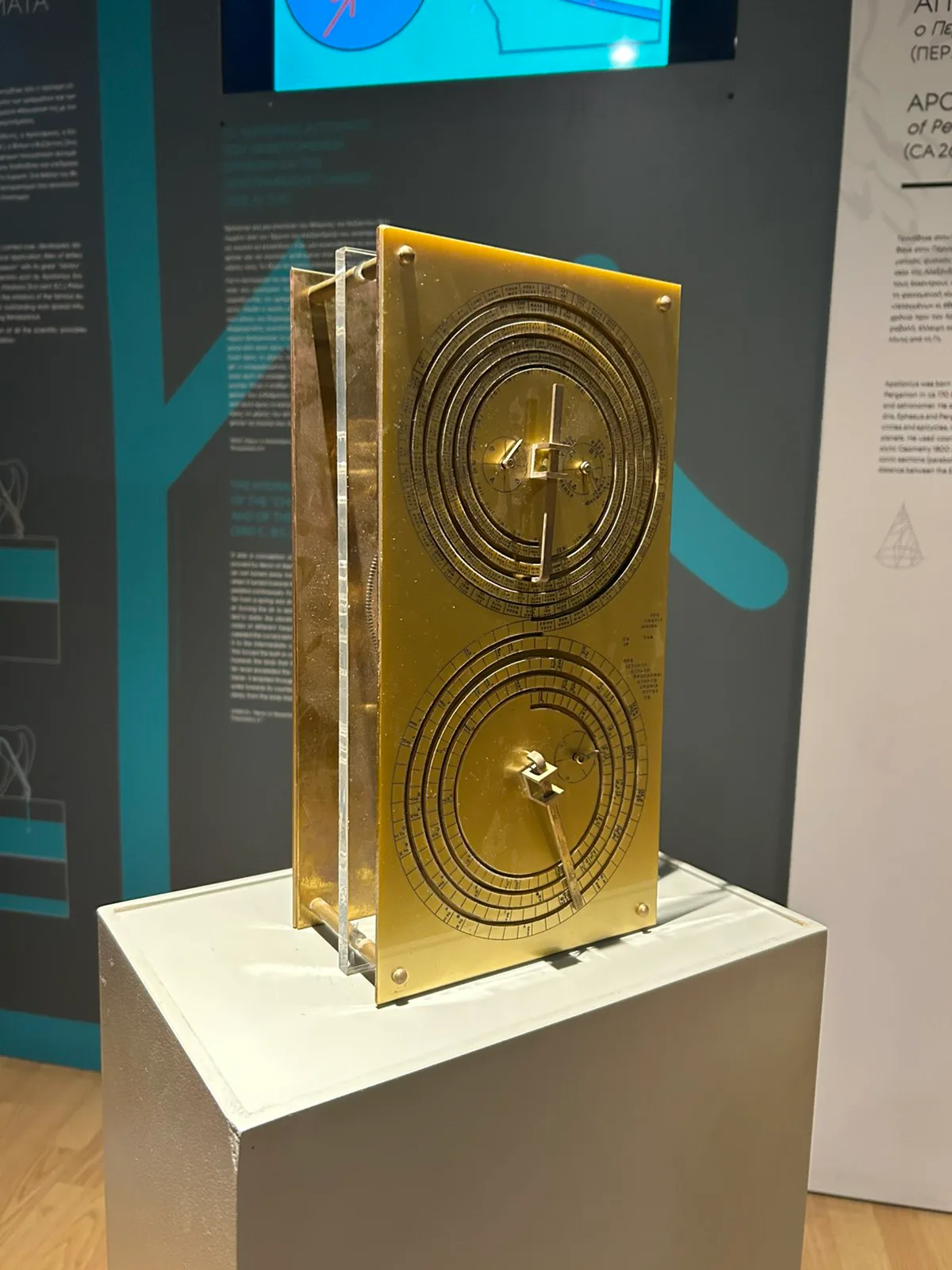
Researchers can study tooth counts, surviving text, and the relationship between gear trains to test proposed functions. A reconstruction is useful when it explains multiple pieces of evidence at once. It is weaker when it depends on parts that have not survived or assumptions that cannot be checked. The mechanism is therefore both an ancient object and a modern lesson in careful inference.
Why a physical model mattered
A geared model does something a table of numbers cannot. It lets a user turn an input and watch several cycles move together. The device made relationships tangible: one motion could reveal how lunar, solar, calendar, and eclipse cycles interacted. That is an interface problem as much as a calculation problem.
Modern dashboards do a similar job with pixels. They do not replace the underlying mathematics; they expose selected relationships so a person can reason without recalculating everything. The Antikythera mechanism belongs in that longer history of tools that reduce cognitive load.
What not to claim
The object is extraordinary without calling it proof of lost civilizations, visitors from elsewhere, or technology identical to a modern computer. Those claims erase the real achievement: skilled people used the astronomy, metallurgy, geometry, and workshop practices available to them to build a specialized instrument. Historical humility works in both directions. We should not underestimate ancient craft, and we should not replace missing evidence with spectacle.